Quick Answer: Musty smell in the basement is almost always excess moisture feeding mold or mildew, plus poor airflow that lets odors linger. Start by spotting moisture sources (leaks, condensation, wet soil pressure), then lower humidity to about 30-50%, dry wet materials, and clean or remove contaminated items. Fix entry points like leaky gutters, poor grading, basement windows, and cracks so the smell doesn’t return. If the odor is strong after storms or you see staining, treat it as a moisture problem first and an odor problem second-because “covering” the smell never lasts.
What a “Musty” Basement Smell Really Is
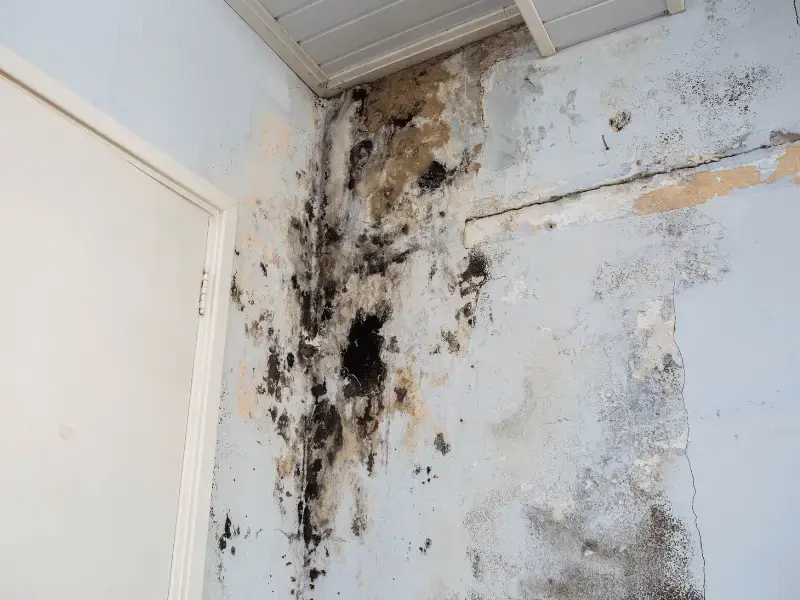
It’s usually the gas and particles released when fungi (mainly mold and mildew) grow on damp surfaces. People describe it as a wet socks smell, wet dog smell, or rotting wood smell and that description is useful because it points to microbial growth rather than “old house” air.
Basements are a perfect storm: damp and dark conditions + porous materials + stagnant air. Once growth starts, it can release mold spores that ride air currents up into the house, affecting indoor air quality.
Tip: If you only notice the smell when the HVAC turns on, the basement odor may be getting pulled upward through returns or stairwells.
The 5 Most Common Root Causes (In Plain English)
Most homeowners want one simple answer. The truth is: musty odors usually come from one dominant cause plus one or two helpers.
Root Causes
- Excessive moisture from leaks or seepage
- High humidity with poor ventilation (air gets trapped)
- Condensation on cold surfaces (walls, floors, pipes)
- Hidden contamination in carpets, boxes, furniture, framing
- Drain or plumbing issues that create a bad smell in basement
In other words, what causes a musty smell in the basement is rarely “mystery air” ; it’s almost always water + time.
Quick Home Test-Find the Source in 15 Minutes
Before you buy gadgets, do this fast scan:
- Check corners, behind shelves, and storage areas for discoloration or fuzzy patches.
- Look for stagnant water, damp concrete, or dark rings on walls.
- Inspect uninsulated pipes (pipe sweating) for droplets (classic condensation).
- Look around basement windows and window wells for damp trim or puddles.
- Sniff-test soft items (carpet, cardboard, upholstered furniture). Odor often “sticks” there.
Quick Fix: If your pipes are sweating, wrap them with foam pipe insulation today. It’s one of the cheapest ways to cut moisture and odor.
Match the Smell Pattern to the Likely Cause
When the Odor is Strongest | Likely Culprit | What to Look For | First Action |
After storms | seepage + soil moisture | wet wall base, puddles, damp boxes | improve drainage + dry out |
In summer/humid days | condensation | droplets on pipes/walls | dehumidify + insulate pipes |
All the time | hidden growth | odor trapped in carpet/fabric | deep clean + remove porous items |
“Sewer-ish” | drains/plumbing | floor drain odor, slow drains | trap primer/clean drains |
“Dry” but still musty | residual/hidden moisture | under flooring, behind walls | targeted inspection + drying |
Basement Smells Musty After Rain (and Why It Happens)
Basement smells musty after rain usually means outside water is getting too close to the foundation, raising moisture in the basement air and materials. You may also notice a bad smell in the basement after rain because humidity spikes and odor molecules become more noticeable.
Common outside drivers include:
- leaky gutters overflowing near the foundation
- downspout extensions missing or too short
- poor grading that slopes toward the house
- clogged window wells from debris / leaves clogging wells
If you see water lines or fresh dampness after storms, you’re dealing with moisture entry first, odor second and need to fix moisture in the basement.
“My Basement Is Dry but Still Smells Musty”-How That’s Possible
The basement is dry but still smells musty is common because “dry to the touch” doesn’t mean “dry inside materials.” Odor can come from:
- residual moisture in wood, drywall, carpet padding
- hidden damp spots behind storage and finished walls
- micro-condensation cycles that dry quickly but keep feeding growth
- contaminated items that hold odor even after the space dries
This is also why people say the basement smells musty but no mold the growth may be hidden, or it may be in soft items you haven’t sniff-tested closely.
Tip: Smell your stored cardboard and fabric first. Moldy odors love those materials.
The Moisture Pathways You Must Check (Leaks + Seepage)
A musty smell often starts with water getting in from predictable spots:
Leaks and Entry Points
- Water leaks from plumbing: leaky pipes, valves, or drain connections
- Water around windows: gaps at basement windows frames
- Foundation pathways: a crack in basement wall or joint gaps
- Floor seepage: water seepage through floor during wet periods
Hydrostatic Pressure and Groundwater
If moisture pushes in from the soil, hydrostatic pressure can drive dampness through concrete, especially after prolonged rain.
Quick Fix: If you spot an active seepage, run fans + dehumidifier immediately to prevent growth while you address the source.
How to Get Rid of Musty Smell in Basement
To get rid of musty basement smell requires a two-part strategy: remove moisture + remove contamination. Doing only one gives temporary results.
8-Step Method
- Identify the wettest zone (walls, floor, storage, pipes).
- Stop active water entry (gutters/grading/windows/cracks).
- Reduce humidity with a properly sized dehumidifier.
- Improve airflow / air circulation with fans in dead corners.
- Remove or discard soaked porous items (cardboard, padding).
- Clean hard surfaces and visible growth safely.
- Address drains/plumbing sources of bad smell in the basement.
- Prevent recurrence with ongoing humidity + drainage checks.
This approach works whether you call it a musty basement smell, smelly basement, stinky basement, or even that dank smell nobody wants to admit.
Cleaning Mold and Mildew Safely (Without Spreading Spores)
Once humidity is controlled, cleanup becomes effective. The goal is to remove growth and residues while minimizing airborne spread of mold spores.
Safe Cleanup Basics
- Wear gloves and a mask; ventilate the area thoughtfully
- Clean non-porous surfaces; scrub and dry completely
- Don’t keep items that stayed wet for days (they often remain contaminated)
- Avoid “fogging” as a first step source control matters more
Health matters: mold exposure can trigger allergens / irritants, and some molds may produce mycotoxins that bother sensitive individuals.
Tip: If you’re cleaning, dry the surface afterward moisture left behind reactivates growth.
Odor That Won’t Quit: Air Filtration and Absorbers
Odor can linger even after cleaning because compounds remain in fabrics and the air. That’s when filtration helps.
- A HEPA unit with HEPA filtration (air purifier) can reduce airborne spores and particulates.
- A carbon unit with an activated carbon filter / odor absorber targets odor gases.
This doesn’t replace moisture control, but it can speed comfort improvements while you fix the root.
Ventilation Done Right (So You Don’t Make It Worse)
Many people “air out” the basement by opening windows on humid days. That can backfire: warm outdoor air hits cooler basement surfaces, creating condensation.
Better options:
- Controlled HVAC circulation when outdoor air is humid
- Fans to move air away from cold corners
- Dehumidification to maintain a stable indoor target
This is one reason basements become smelly in summer even with no leaks.
Drain and Plumbing Smells vs. Musty Smells
A basement can smell musty and also have a drain odor. If you suspect drains:
- check floor drains for evaporation (dry traps)
- inspect for slow drains or backup signs
- clean drain lines if needed
A drain issue can create a bad smell in the basement that people mistake for mold so confirm with a close sniff near drains.
If you’re overwhelmed by multiple small fixes, a local handyman company can help knock out insulation, sealing, and basic prep work in one visit.
Prevent Musty Odors From Coming Back (Simple Maintenance)
Once you eliminate the cause, prevention is easy if you stay consistent.
Prevention Habits
- Keep humidity in the safe range (often 30–50%)
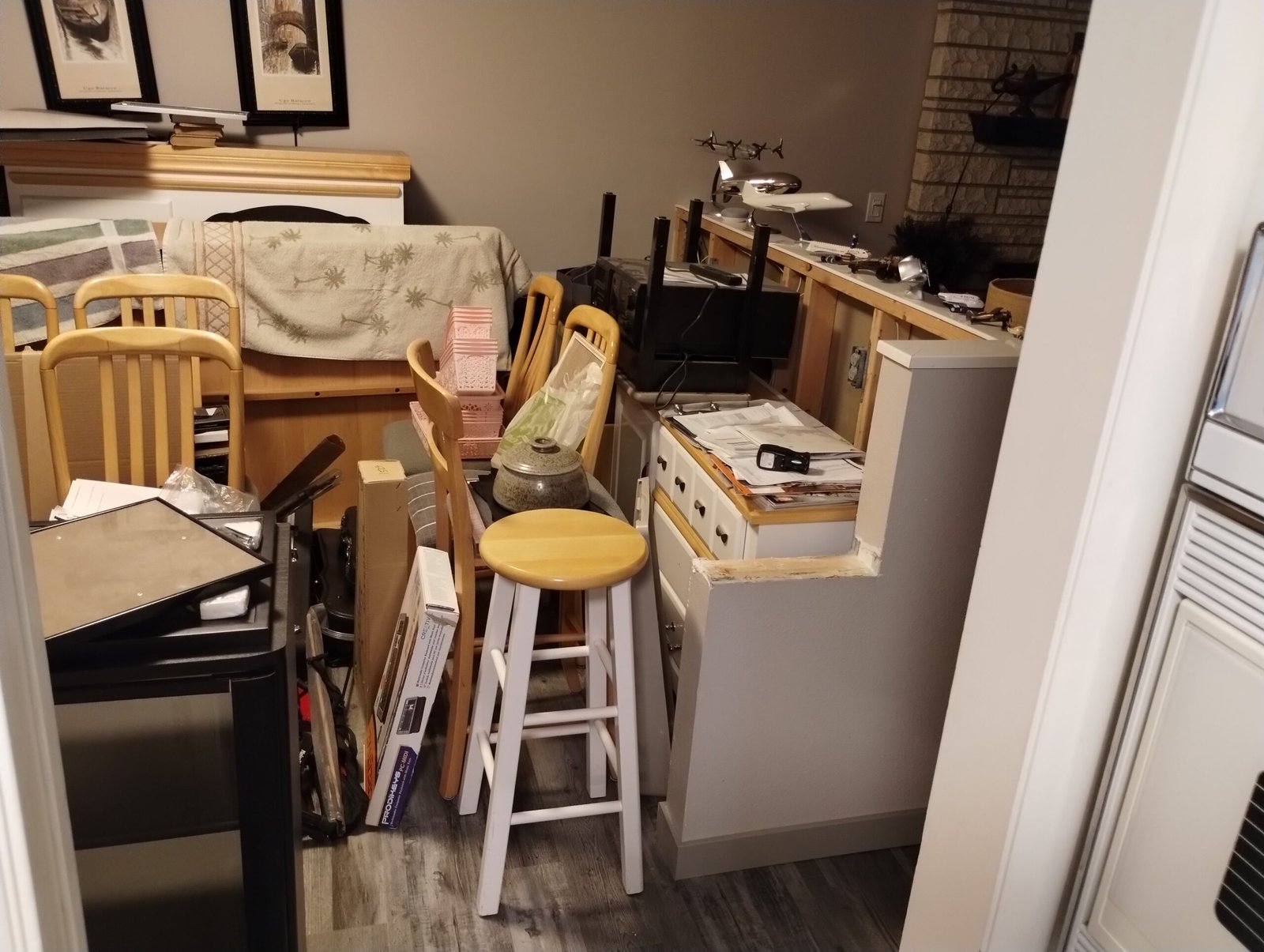
- Reduce clutter (it traps moisture and hides growth)
- Keep window wells clear; add covers if needed
- Maintain gutters; extend downspouts away from the foundation
- Re-check trouble spots after storms
If your basement is being turned into living space, affordable basement finishing experts can help choose materials that resist moisture and odors (non-organic finishes, proper wall assemblies, and airflow planning).
Hidden Sources Most Competitors Miss (Check These)
Musty odors can come from surprising places:
Stored Fabrics and Upholstery
Old rugs and upholstered furniture can hold odor even after drying. That’s why some people have to get rid of the musty basement smell problem that “keeps coming back.”
Behind Paint and Wall Coverings
If a wall was painted over before drying, moisture can remain trapped and feed odor.
If you plan to refresh walls after remediation, reliable interior painting professionals should paint only after moisture is controlled otherwise stains and odor can bleed through.
Quick Fixes vs. Permanent Fixes
Problem | Quick Fix (Today) | Permanent Fix (Best) |
Sweating pipes | add foam pipe insulation | reduce humidity + insulate + airflow |
Odor in stored items | remove/clean + dry | replace porous items; store in bins |
Post-rain smell | fans + dehumidifier | drainage improvements + sealing |
Hidden moisture suspicion | move clutter; inspect | targeted investigation + repairs |
Air smells stale | run purifier with carbon | fix moisture + improve ventilation |
Call Valley Brothers to Stop Basement Odors at the Source
If your basement odor keeps returning, don’t waste money masking it to solve it at the root. Call Valley Brothers at 8014509779 to diagnose moisture, prevent repeat odor, and protect your home before the damage spreads.
FAQs About Musty Basement Smell
What causes a musty smell in the basement even if there’s no visible mold?
It is often hidden moisture in carpet padding, framing, or behind finished walls where growth isn’t obvious.
Why does my basement smell worse after rain?
Rain increases ground moisture and humidity, which can trigger seepage and stronger odor release especially if gutters, grading, or window wells aren’t directing water away.
Is a dehumidifier enough to stop musty smells?
A dehumidifier helps control humidity, but you still need to eliminate leaks/seepage and remove contaminated materials to stop odors permanently.
Can condensation alone cause musty odors?
Yes. Condensation on cold surfaces (pipes/walls) can keep materials damp long enough to support mildew and odor even without obvious leaks.
When should I call a professional for musty odors?
If the smell persists after moisture control, if there’s widespread growth, or if you suspect hidden contamination behind finished walls, professional evaluation is the safest path.